Why Water Infrastructure Problems Are Rising in Atlanta
Atlanta faces growing challenges with aging water infrastructure. Many underground pipes were installed almost a century ago. City officials estimate the system includes more than 4,000 miles of water lines.
Experts report that many pipes were built between 1920 and 1950. Materials from that era deteriorate faster under modern urban pressure. Temperature changes and ground movement also increase the risk of pipe failure.
Major water main breaks in recent years revealed these vulnerabilities. In 2024, several large pipeline failures disrupted water supply in multiple neighborhoods. Thousands of residents experienced service interruptions.
City authorities have announced long-term infrastructure improvements. The planned investment exceeds two billion dollars. These projects aim to replace aging pipes and modernize water distribution systems.
However, infrastructure upgrades take many years to complete. Homes across the Atlanta Metro area remain exposed to plumbing failures. Property owners therefore need reliable plumbing services in Atlanta Metro area communities.
Water leaks often begin unnoticed inside walls or foundations. Small leaks may cause severe structural damage over time. Early inspection and rapid response remain essential for protecting homes.
Professionals specializing in water restoration in Atlanta often report preventable damage. Many incidents start with minor plumbing problems. Delayed repairs frequently lead to mold growth and expensive restoration.
Understanding the causes of water damage helps homeowners react faster. Awareness also supports informed decisions about maintenance and emergency response.
Common Causes of Residential Water Damage in the Atlanta Metro Area
Water damage occurs for many reasons in Georgia homes. Climate conditions, aging plumbing systems, and extreme weather all play a role.
Insurance industry reports show that water damage claims represent nearly 29% of all homeowner insurance claims in the United States. The average claim exceeds $11,000.
Several factors commonly cause water emergencies in the Atlanta region.
Common causes include:
- Burst or cracked water supply pipes
- Faulty water heaters or washing machines
- Blocked sewer or drainage systems
- Roof leaks after heavy storms
Severe weather also increases the risk of water intrusion. Atlanta receives approximately 50 inches of rainfall annually. Heavy rain events have increased in frequency over the past decade.
Flooding inside homes can begin within minutes during pipe failures. Water spreads rapidly through flooring, drywall, and insulation materials. Moisture trapped inside walls creates ideal conditions for mold.
Environmental researchers note that mold growth may begin within 24 to 48 hours. Quick response therefore reduces health risks and structural damage.
Many homeowners underestimate small plumbing leaks. Yet a pipe leaking one drip per second can waste over 3,000 gallons annually.
Professional water restoration services in Georgia often address problems caused by unnoticed leaks. Routine inspections help detect early warning signs before damage becomes severe.
Regular maintenance and fast action can significantly reduce repair costs.
The Financial Impact of Water Damage and Restoration
Water damage is among the most expensive home repairs in the United States. Repair costs depend on the affected area, materials, and response time.
Industry data shows that water restoration typically costs between $6 and $16 per square foot. Larger restoration projects may exceed $10,000.
Several factors influence restoration costs:
- Source of the water leak – clean water causes less damage than contaminated water.
- Duration of exposure – longer exposure increases structural deterioration.
- Affected materials – hardwood floors and drywall require specialized drying.
- Mold contamination – remediation significantly increases restoration expenses.
Homes that delay professional drying face higher costs. Moisture trapped inside building materials weakens structures over time.
Structural beams, insulation, and electrical systems may require replacement. Restoration projects therefore involve multiple technical processes.
Typical restoration steps include:
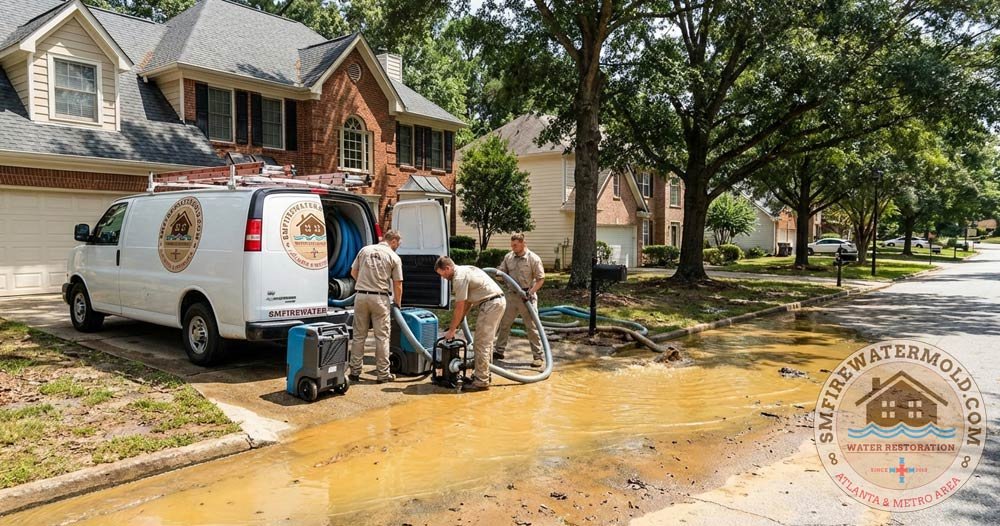
- Water extraction using industrial pumps
- Structural drying with dehumidifiers
- Mold prevention treatments
- Damage assessment and repair planning
The Environmental Protection Agency emphasizes rapid mitigation. Removing moisture quickly helps prevent health hazards associated with mold exposure.
Property owners often search for water restoration in Atlanta after visible flooding occurs. Specialists recommend earlier intervention whenever leaks appear.
Preventative inspections reduce the likelihood of major structural repairs. Homeowners who act quickly usually spend significantly less on restoration.
How to Choose Reliable Plumbing and Restoration Professionals
Selecting experienced professionals helps homeowners manage water emergencies effectively. Many companies provide plumbing services in Atlanta Metro area communities. However, service quality can vary significantly.
Consumers should evaluate several factors before choosing a contractor.
Important considerations include:
- Proper licensing and insurance
- Emergency response availability
- Experience with water restoration services in Georgia
- Transparent pricing and damage assessment
Response time remains one of the most critical factors. Water damage spreads rapidly during the first hours after a leak.
Professional restoration teams use specialized equipment to remove moisture. Industrial drying systems can prevent mold growth and structural deterioration.
Consumer organizations recommend verifying credentials before hiring a contractor. Licensed technicians follow safety regulations and industry standards.
Homeowners may also review company information through online resources. Official websites and social media platforms often provide useful background details.
For water restoration services and emergency plumber:
Phone: 470 435-4377
Facebook: https://www.facebook.com/smfirewatermold.com.Atlanta/
LinkedIn: https://www.linkedin.com/company/smfirewatermold-com/
Practical Steps for Preventing Water Damage in Atlanta Homes
Water infrastructure challenges in Atlanta highlight the importance of home maintenance. Aging pipes and heavy rainfall increase the risk of plumbing failures.
Fortunately, many water damage incidents remain preventable. Regular inspections help identify leaks before they escalate into major repairs.
Homeowners should monitor plumbing systems, water heaters, and drainage lines. Installing leak detection devices also improves early warning capabilities.
Rapid response remains essential when water damage occurs. Professional water restoration services in Georgia can limit structural damage and reduce repair costs.
Educated consumers make better decisions during emergencies. Understanding common risks helps residents protect their homes and finances.
With proper awareness and preparation, Atlanta homeowners can manage plumbing problems more effectively.